
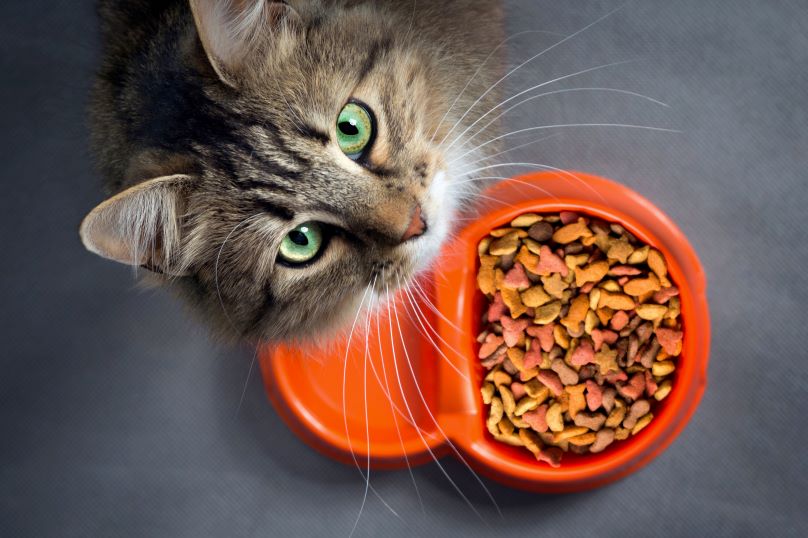
When it comes to feeding our cats, there’s no shortage of advice — and unfortunately, not all of it is accurate. From well-meaning friends to outdated online articles, myths about cat nutrition can easily lead to confusion and poor dietary choices. To help you make informed decisions, we’re debunking some of the most common cat food myths and explaining what really matters for your cat’s health and wellbeing.
Myth 1: Cats Can Thrive on a Vegetarian or Vegan Diet
This is one of the most persistent — and dangerous — myths about cat nutrition. Cats are obligate carnivores, meaning they biologically require nutrients found only in animal-based proteins, such as taurine, arachidonic acid and vitamin A in its active form.
While humans and dogs can adapt to a wide range of diets, cats cannot synthesise these essential nutrients on their own. A diet lacking animal protein can lead to serious health issues including heart disease, vision problems and weakened immunity. When choosing healthy cat food, always ensure high-quality animal protein is a primary ingredient.
Myth 2: Dry Food is Bad for All Cats
Dry food often gets a bad reputation, but it isn’t inherently unhealthy. In fact, high-quality dry cat food can be nutritionally complete and convenient, particularly for grazing cats or households with multiple pets.
The key consideration is hydration. Cats naturally have a low thirst drive, so dry food should ideally be paired with fresh water sources or supplemented with wet food. For many cats, a mixed feeding approach offers the best balance of nutrition and moisture intake.
Myth 3: Grain-Free Always Means Better
Grain-free cat food became popular due to concerns around allergies and fillers, but grains are not automatically harmful. In fact, true grain allergies in cats are relatively rare. What matters more than the presence or absence of grains is the overall quality of ingredients. Poor-quality fillers, artificial additives and low meat content are far more problematic than well-sourced grains used in moderation. A nutritionally balanced formula should always take priority over food trends.
Myth 4: Table Scraps are a Nice Treat
Sharing food with your cat may feel like an act of love, but many human foods are unsuitable — and sometimes toxic — for cats. Ingredients such as onions, garlic, cooked bones, dairy products and high-fat foods can cause digestive upset or more serious health complications. Even foods that aren’t toxic can disrupt a cat’s nutritional balance when fed regularly. Cat-specific treats and meals are formulated to meet their dietary needs safely, without unnecessary risks.
Myth 5: All Cat Foods are Essentially the Same
It’s easy to assume that if a product is labelled “complete and balanced”, it must be good enough. However, there can be significant differences in ingredient quality, sourcing and processing between brands. Lower-quality foods often rely on by-products, artificial colours and flavour enhancers, while premium options focus on identifiable proteins, natural preservatives and carefully formulated nutrient profiles. Reading ingredient lists and understanding what goes into your cat’s bowl makes a real difference to their long-term health.
Myth 6: Cats Will Instinctively Know What’s Best to Eat
While cats are famously selective, their preferences are driven more by smell, texture and fat content than nutritional value. A cat may favour food that tastes appealing but lacks essential nutrients — much like humans gravitating towards junk food. This is why it’s important for owners to make informed choices rather than relying solely on a cat’s appetite or enthusiasm. Consistency, balance and nutritional completeness should always guide feeding decisions.
Feeding Facts Matter
Debunking these common myths highlights one simple truth: good cat nutrition isn’t about trends, extremes or assumptions — it’s about understanding your cat’s biological needs and choosing food that genuinely supports their health. By focusing on quality ingredients, appropriate protein sources and balanced nutrition, you’ll be giving your cat the best possible foundation for a long, healthy and happy life.